Cessna Nose Gear Strut Assembly: Aircraft Landing Gear Support and Shock Absorption
Cessna Nose Gear Strut Assembly: Aircraft Landing Gear Support and Shock Absorption
Blog Article
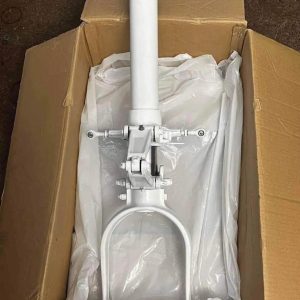
The Cessna Nose Gear Strut Assembly is an important landing-gear component designed to support the forward section of a compatible aircraft during taxiing, takeoff, landing, parking, towing, and routine ground operations.
Accurate use of these keywords improves search relevance without implying universal compatibility across the Cessna product line.
Whether described as an Aircraft Nose Landing Gear Assembly or Cessna Shock Strut Assembly, the unit should be evaluated as part of the complete airframe and landing-gear system.
The Cessna Landing Gear Assembly functions as a coordinated system, while the Aircraft Landing Gear Strut should not be evaluated separately from its mounts, steering, wheel, tire, and surrounding structure.
The Cessna Steering Strut Assembly, Cessna Replacement Nose Gear, and General Aviation Landing Gear Parts keywords describe commercially relevant searches for maintenance and restoration projects.
Key Details of an Aircraft Nose Strut
The seller should provide clear photographs of the cylinder, piston, fork, steering features, mounting points, torque links, hardware, and identification markings.
The buyer should determine whether the listing includes a complete Cessna Nose Gear Assembly or only selected parts of the system.
How the Nose Gear Supports the Airframe
The nose gear supports a portion of the aircraft’s ground weight and transfers loads into designated airframe attachment points.
Any evidence of previous impact should be disclosed and investigated.
Evaluating Strut Extension and Movement
A strut that appears fully extended may still contain internal wear, incorrect pressure, or unsuitable fluid quantity.
Incorrect pressure or fluid quantity can influence ground clearance, steering, ride quality, and structural loading.
Evaluating Ground Steering Geometry
Each component should move smoothly and remain free from excessive play, binding, distortion, corrosion, and unsuitable modification.
Steering stops should remain intact and correctly adjusted so the nose wheel does not exceed approved travel limits.
Verifying Illustrated Parts Catalog Information
Two aircraft with similar outward appearance may use different struts, forks, cylinders, steering features, hardware, or mounting arrangements.
Cross-reference information should be verified carefully and should include any required supersedures or installation changes.
Evaluating the Cessna Nose Strut Body
A polished surface may still contain dimensional wear that requires measurement.
The piston should move through the permitted range without binding, roughness, excessive side play, or abnormal resistance.
Understanding Strut Seal Maintenance
The strut should be inspected after cleaning and appropriate servicing to determine whether leakage returns.
Any internal maintenance should be documented with parts and procedures used.
Evaluating Coastal and Outdoor Storage Damage
Landing gear components are exposed to water, runway contaminants, cleaning products, salt, dirt, chemicals, and changing environmental conditions.
Protective coatings should be checked for chips, lifting, abrasion, bubbling, poor adhesion, and incompatible refinishing.
Crack, Bend, and Impact-Damage Inspection
Some defects may be difficult to identify without cleaning, magnification, dimensional comparison, or suitable nondestructive inspection.
Hard landings, runway excursions, tow-bar incidents, shimmy, collapsed tires, obstacle contact, and freight damage can affect the nose gear even when external deformation appears minor.
Wheel Fork, Axle, and Nose Wheel Components
A complete strut listing should state whether the fork, axle, spacers, wheel, bearings, tire, and hardware are included.
Used hardware should not be reused automatically without applicable inspection.
Maintaining Strut Alignment
Tightening hardware alone may not correct worn bushings or elongated holes.
Pivot points should move freely without binding while remaining within acceptable play limits.
Evaluating Wheel Alignment and Steering Play
Replacing the strut assembly alone may not correct the concern if other components remain defective.
A new tire can mask but not correct underlying geometry problems.
Checking Extension After Servicing
Incorrect fluid, contamination, trapped air, overpressure, or underpressure can affect extension, damping, leakage, ground clearance, and structural loading.
Repeated pressure loss should prompt leak investigation rather than continual inflation.
Evaluating Internal and External Components
An overhaul may include complete disassembly, cleaning, dimensional inspection, crack inspection, corrosion evaluation, seal replacement, surface review, reassembly, servicing, and functional checks.
A professionally overhauled unit should remain connected with the correct part and serial information.
Aircraft Nose Gear Buying Guide
The seller should provide photographs of every side, including the cylinder, piston, fork, axle, torque links, steering features, mounts, hardware, identification markings, and damaged areas.
- Confirm the complete Cessna part number, dash number, serial or casting markings, aircraft model, serial-range applicability, strut type, dimensions, and configuration.
- Do not treat clean paint, smooth movement, or a removed-serviceable statement as proof of current installation eligibility.
- Confirm the sales invoice, payment protection, packaging method, freight insurance, inspection period, return terms, and stated assembly condition.
Protecting the Landing Gear Strut in Transit
Professional packaging helps preserve the condition of the Aircraft Nose Gear Strut.
Pre-shipment photographs can document condition, included parts, and packaging before collection.
Maintaining Landing Gear Identification
The assembly should not rest directly on delicate fittings, the axle threads, polished surfaces, or unstable supports.
Organized storage supports the commercial value of General Aviation Landing Gear Parts.
Completing Wheel and Strut Alignment
Installation should be completed by appropriately qualified aviation maintenance personnel using applicable Cessna airframe, landing-gear, steering, and component information.
Disciplined workmanship supports reliable Cessna Front Landing Gear Assembly operation.
Any abnormal indication should receive prompt evaluation before further operation.
Reducing Landing Gear Wear
Consistent care supports dependable Cessna Nose Landing Gear Strut operation.
Maintenance records should identify findings, measurements, servicing, parts replaced, repairs, dates, and personnel involved.
Commercial Value of a Cessna Nose Gear Assembly
The commercial value of a Cessna Nose Gear Strut Assembly depends on exact identification, aircraft applicability, completeness, physical condition, corrosion status, leakage, repair history, overhaul records, included hardware, and documentation.
Total project cost may include the purchase price, freight, inspection, seals, bushings, bearings, hardware, wheel or tire components, overhaul labor, servicing, alignment, installation, and documentation.
Choosing the Cessna Nose Gear Strut Assembly
When thoroughly website evaluated and correctly installed, the Cessna Nose Gear Strut Assembly can become a valuable component within the aircraft’s complete landing-gear system.
The unit should not be judged solely through clean paint, smooth compression, removed-serviceable wording, or purchase price.
Whether buyers need a Cessna Front Landing Gear Assembly, Aircraft Nose Gear Strut, Aircraft Nose Landing Gear Assembly, or Cessna Shock Strut Assembly, current physical condition should be verified.
With prompt attention to leakage, scoring, corrosion, shimmy, tire wear, loose bushings, steering play, impact events, and abnormal compression, the installation can preserve its operating potential.
Report this page